JONES LAW GROUPYour Lawyers for Life! Personal Injury Law Firm in St. Petersburg
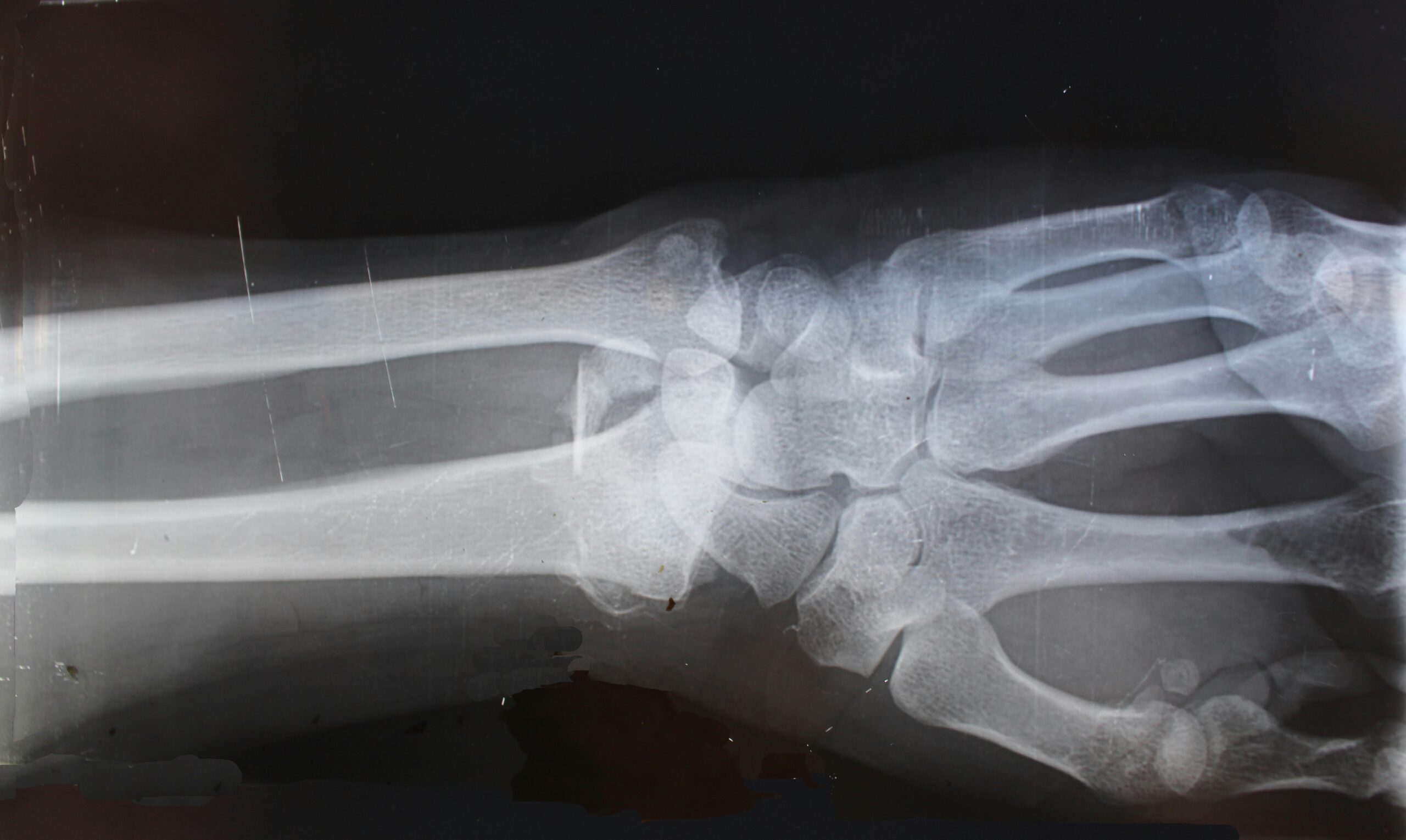
If you’ve been hurt in an accident, you may hear doctors use the terms “fracture” and “break” when discussing your bone injury. While many people believe these are different types of injuries, the truth might surprise you: medically speaking, a fracture and a break are the same thing.
Call our personal injury law office directly at (727) 512-9847
At Jones Law Group in St. Petersburg, FL, we would like to hear from you. Contact us for a free personal injury case consultation.
Call our personal injury law office at (727) 512-9847
Get educated on the Florida's personal injury laws and more.
If you’ve been hurt in an accident, you may hear doctors use the terms “fracture” and “break” when discussing your bone injury. While many people believe these are different types of injuries, the truth might surprise you: medically speaking, a fracture and a break are the same thing.
However, when it comes to personal injury claims, the specific type of fracture you’ve sustained can significantly impact the value of your case and the compensation you may receive.
In medical terminology, there is no difference between a fracture and a break. Both terms describe the same condition: a disruption in the continuity of bone tissue. When a bone cracks, chips, or splits completely in two, doctors may use either term interchangeably.
The word “fracture” is the preferred medical term you’ll see in hospital records, radiology reports, and treatment notes. “Break” is simply the more common, everyday language most people use to describe the same injury.
Many patients assume a “fracture” is less severe than a “break”—perhaps thinking a fracture is just a crack while a break means the bone separated completely. This misconception likely stems from how we use these words in everyday language. We “fracture” delicate items but “break” sturdy ones.
In reality, the medical community classifies bone injuries by their specific characteristics, not by whether you call them fractures or breaks.
While the fracture vs break distinction doesn’t exist medically, the type of fracture you sustain absolutely matters for your personal injury claim. Different fracture classifications indicate varying severity levels, treatment requirements, and long-term impacts.
A simple fracture occurs when the bone breaks but doesn’t pierce the skin. These fractures typically:
A compound fracture is more serious—the broken bone punctures through the skin. These injuries:
When a bone shatters into three or more pieces, it’s called a comminuted fracture. These severe injuries:
Common in children, greenstick fractures occur when the bone bends and cracks but doesn’t break completely. While less severe, they still require:
Stress fractures are small cracks in the bone caused by repetitive force or overuse. In personal injury cases, these might develop from:
The specific characteristics of your bone injury directly impact your claim’s value. Insurance adjusters and attorneys consider:
Severity of the fracture: Compound fractures and comminuted fractures typically result in higher settlements than simple fractures due to increased medical costs and longer recovery periods.
Treatment required: Fractures requiring surgery, especially multiple procedures, increase case value. Hardware implants, bone grafts, and reconstructive surgery all add to your damages.
Recovery time: The longer you’re unable to work or perform daily activities, the higher your lost wages and pain and suffering damages.
Permanent effects: Fractures that cause chronic pain, limited range of motion, or permanent disability significantly increase compensation. Visible scarring from compound fractures also factors into damages.
Location of the fracture: Certain bone breaks have more serious implications. A fractured spine or skull carries greater compensation potential than a broken finger due to the severity of potential complications.
Different types of accidents typically cause specific fracture patterns:
Car Accidents:
Slip and Fall Accidents:
Motorcycle Accidents:
Workplace Accidents:
While doctors may use “fracture” and “break” interchangeably, your medical records must contain specific details that support your personal injury claim:
Essential documentation includes:
Insurance companies scrutinize medical records. Vague descriptions like “possible fracture” or “suspected break” weaken your claim. Insist on complete diagnostic testing and thorough documentation of your injuries.
When you suffer a fracture in an accident caused by someone else’s negligence, you have the right to pursue compensation for:
Medical expenses:
Lost wages:
Pain and suffering:
If you’ve sustained a fracture in an accident, consulting with a personal injury attorney protects your rights and maximizes your compensation. Contact a lawyer immediately if:
Don’t wait to seek legal help. Florida’s statute of limitations gives you only four years to file most personal injury claims. However, evidence fades and witnesses’ memories dim with time. The sooner you contact an attorney, the stronger your case.
While “hairline fracture” sounds minor, it’s still a real bone break requiring medical treatment and recovery time. Hairline fractures can be just as painful as complete breaks and may lead to complications if not properly treated. In personal injury claims, even hairline fractures warrant compensation for medical expenses, lost wages, and pain and suffering.
In Florida, the statute of limitations for most personal injury cases is four years from the date of injury. However, don’t wait until the deadline approaches. Medical evidence and witness testimony are strongest soon after the accident.
This depends entirely on the fracture location, severity, and your job requirements. A fractured finger might prevent a surgeon from operating but allow a teacher to continue working with modifications. Your doctor’s restrictions on activities should guide these decisions, and violating medical orders could harm both your health and your legal claim.
Complications like malunion (healing in wrong position), nonunion (failure to heal), or chronic pain can occur. These complications increase your claim value and extend the damages you can recover. Document all complications with your medical provider and inform your attorney immediately.
Most fractures are visible on X-rays, but some hairline fractures or stress fractures may not appear immediately. If you’re experiencing significant pain after an accident but X-rays are negative, ask your doctor about additional imaging like MRI or CT scans. Insurance companies often dispute injuries that aren’t clearly documented.
Fracture claim values vary widely based on factors including fracture type, required treatment, recovery time, permanent effects, lost income, and degree of fault. Simple fractures might settle for $20,000-$50,000, while severe compound fractures with complications can exceed $200,000 or more. An experienced personal injury attorney can evaluate your specific situation.
Most personal injury cases settle before trial. However, if the insurance company refuses to offer fair compensation for your fracture injuries, your attorney may recommend filing a lawsuit. Having an attorney who’s prepared to go to court often motivates insurance companies to offer better settlements.
Whether you call it a fracture or a break, bone injuries from accidents require serious attention—both medically and legally. Understanding how your injury is classified helps you communicate effectively with doctors and attorneys while ensuring you receive the compensation you deserve.
If you’ve suffered a fracture in a car accident, slip and fall, or any incident caused by someone else’s negligence, don’t face the insurance companies alone. The medical bills, lost wages, and pain you’re experiencing deserve full compensation.
Contact Jones Law Group today for a free consultation. Our experienced personal injury attorneys understand the medical and legal complexities of fracture cases. We’ll review your injuries, explain your rights, and fight for maximum compensation while you focus on healing.
Call 727-571-1333 or visit our St. Petersburg office. We serve injured victims throughout Pinellas County, Tampa Bay, and across Florida. No fees unless we win your case.
Legal Disclaimer: This blog post provides general information about fractures and personal injury law but does not constitute legal advice. Every case is unique, and past results do not guarantee future outcomes. Consult with a qualified attorney about your specific situation.

Getting into a car accident can be devastating. You can experience injuries that have an impact on your life, changing your quality of living and leaving you with tens to hundreds of thousands of dollars in medical debt along with other damages. If you’ve been the victim of a car accident, you may decide to […]

It is illegal to text and drive in Florida. The Pinellas County Sheriff or the St. Petersburg Police are perfectly willing to give tickets, but thus it seems that more people have caused an accident by texting than ticketed prior to an accident. In my opinion, the law is deficient because it allows for too […]

Millions of people across the country suffer accidental injuries each year. Many of these accidents occur due to someone else’s negligence, and many victims choose to file a personal injury lawsuit to seek justice. In almost every instance, the victim wants to know how long it will take them to obtain compensation. This is probably […]

Social media is a great way to keep in touch with friends and family, and a big part of life for many people. We can share our thoughts, opinions, photos, and updates about our lives with everyone we know, and it hardly takes any effort. If you have been injured, you may wish to share […]

Rear-end accidents can inflict physical and psychological injuries that entail lasting effects. Summary A rear-end accident occurs when one driver crashes into the back of another vehicle. It is one of the most common types of car accidents, along with head-on, T-bone, and sideswipe accidents. Victims of a rear-end accident can suffer severe injuries that […]

What are economic damages? The answer is simple. They’re the economic losses awarded to a plaintiff who has suffered harm due to the actions of another party. However, obtaining compensation for your damages can be complex. That’s why you need to get in touch with a skilled Jones Law Group attorney. We’ll handle all the […]
Speak with us before time runs out! In Florida, you have a limited window to file a personal injury case, so speak to an Attorney today.
Call our personal injury law office directly at (727) 512-9847

Jones Law Group is a dedicated personal injury lawyer in St. Petersburg, FL, serving the Tampa Bay area since 2006. Our experienced attorneys specialize in car accidents, slip and fall cases, employment law disputes, construction law issues, and overtime wage claims, fighting for maximum compensation on a contingency fee basis. Contact us for a free consultation to discuss your case.
Call our personal injury law office at (727) 512-9847
© Copyright 2006–2025 Jones Law Group Attorneys at Law. All rights reserved. Privacy Policy Terms of Use
Attorney Advertising.
The information on this website is for general information purposes only. Nothing on this site should be taken as legal advice for any individual case or situation. This information is not intended to create, and receipt or viewing does not constitute, an attorney-client relationship. Past results do not guarantee similar outcomes.
Are you injured or wronged and interested in a consultation? Fill out the form for a free consultation with us.
Were you injured or wronged? Fill out the form for a free consultation with us.