JONES LAW GROUPYour Lawyers for Life! Personal Injury Law Firm in St. Petersburg
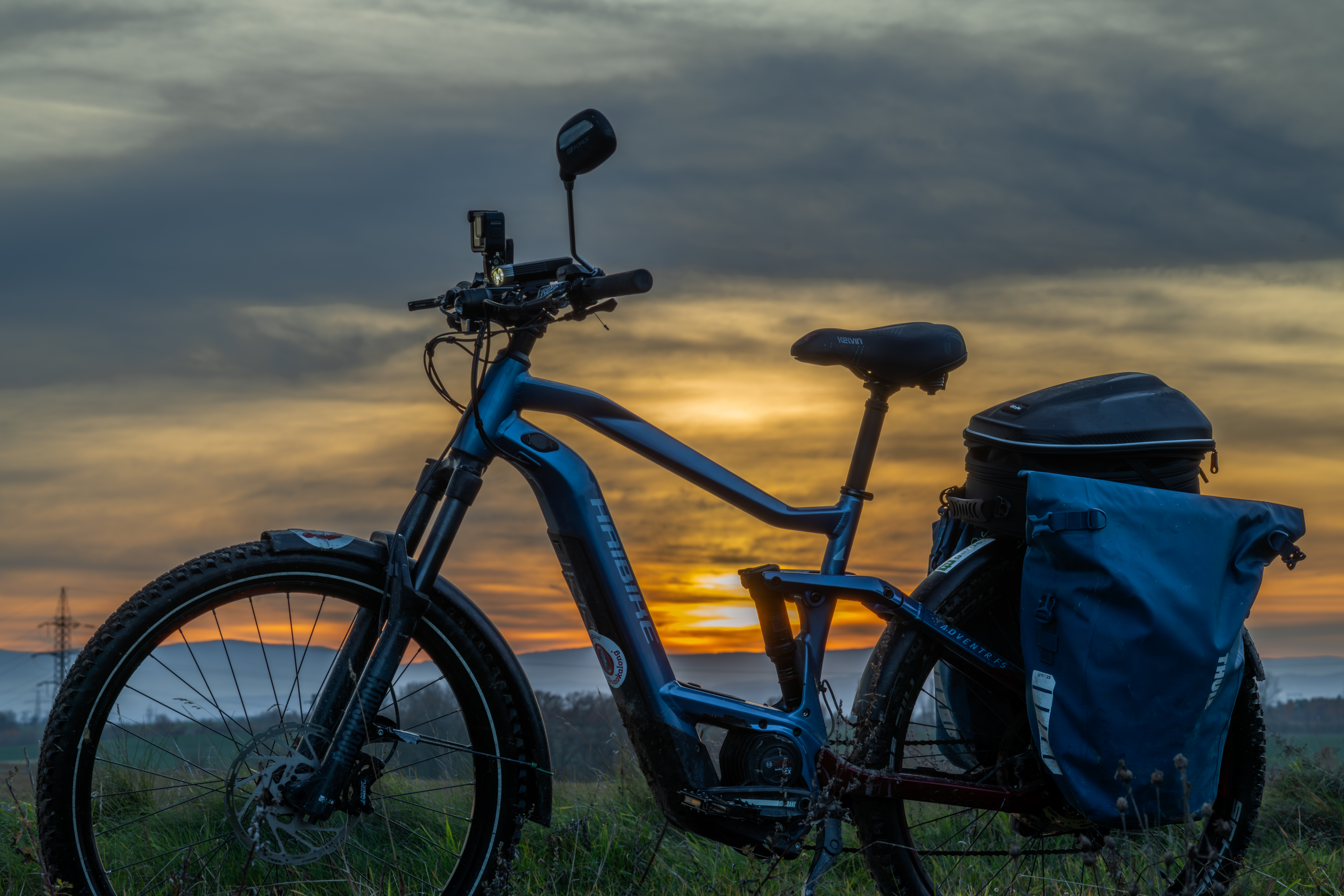
E-Bike Accidents in Tampa: New Laws, Rising Injuries & Your Legal Rights in 2025 Electric bicycles have transformed Tampa’s transportation landscape. From the bustling streets of downtown to the Riverwalk and Bayshore Boulevard, e-bikes offer an eco-friendly alternative to traditional commuting. But with popularity comes risk—and Tampa is experiencing a dramatic surge in e-bike accidents. […]
Call our personal injury law office directly at (727) 512-9847
At Jones Law Group in St. Petersburg, FL, we would like to hear from you. Contact us for a free personal injury case consultation.
Call our personal injury law office at (727) 512-9847
Get educated on the Florida's personal injury laws and more.
Electric bicycles have transformed Tampa’s transportation landscape. From the bustling streets of downtown to the Riverwalk and Bayshore Boulevard, e-bikes offer an eco-friendly alternative to traditional commuting. But with popularity comes risk—and Tampa is experiencing a dramatic surge in e-bike accidents.
According to recent data from the Florida Department of Highway Safety and Motor Vehicles, e-bike-related injuries in Hillsborough County have increased by over 180% since 2021. As these powerful machines become more common on Tampa’s roads, understanding your legal rights after an e-bike accident has never been more critical.
Whether you’re an e-bike rider injured by a negligent driver, a pedestrian struck by a speeding e-biker, or a motorist dealing with an unexpected collision, Florida’s evolving e-bike regulations create unique legal considerations that differ significantly from traditional bicycle or motorcycle accidents.
E-bikes aren’t just bicycles with motors—they’re a distinct category of vehicle under Florida law, and that distinction matters when determining liability and compensation after an accident.
Florida Statute 316.003 defines electric bicycles in three classes:
These classifications affect where e-bikes can legally operate and who’s liable when accidents occur. Class 3 e-bikes, for instance, are prohibited on certain Tampa bike paths and sidewalks, meaning a rider on a restricted path may bear partial fault in a collision.
Traditional bicycles typically travel at 10-15 mph. E-bikes can reach 28 mph—nearly double the speed. This dramatic difference means:
In Tampa, where bike lanes on Kennedy Boulevard and Dale Mabry Highway are often squeezed between moving traffic and parked cars, these speed differentials create dangerous situations that traditional bicycle safety infrastructure wasn’t designed to handle.
Tampa and Hillsborough County have responded to the e-bike surge with new regulations that affect both rider behavior and accident liability.
As of January 2025, Florida law requires riders under 16 to wear helmets on Class 3 e-bikes. While this seems straightforward, it creates liability complications in accident cases involving minors. If a 14-year-old is injured while riding a Class 3 e-bike without a helmet, insurance companies may argue comparative negligence—even if the driver who hit them was entirely at fault.
The City of Tampa has designated certain areas as e-bike restricted zones:
Violations of these restrictions can impact injury claims. An e-bike rider injured while illegally riding in a restricted zone may face reduced compensation under Florida’s comparative negligence laws.
Tampa’s e-bike rental companies—including Lime, Bird, and local operators—now face stricter requirements for rider education and equipment maintenance. Companies must:
These regulations create additional avenues for liability. If a rental e-bike’s brakes fail due to poor maintenance, causing an accident, the rental company—not just the rider or other driver—may be held accountable.
E-bike accidents in Tampa follow predictable patterns based on the city’s infrastructure and traffic conditions.
Tampa’s downtown streets like Franklin Street and Cass Street feature parallel parking adjacent to bike lanes. When drivers or passengers open car doors without checking mirrors, e-bike riders traveling at 20+ mph have insufficient time to stop or swerve, resulting in severe impacts.
These “dooring” accidents cause significant injuries because e-bike riders strike the door edge at chest or head height. Under Florida law, the vehicle occupant who opened the door bears primary liability, but compensation claims can be complicated if the e-bike rider was exceeding safe speeds for conditions.
Dangerous intersections for e-bike riders include:
Right-hook collisions occur when a vehicle turns right across a bike lane, cutting off an e-bike rider traveling straight. Drivers often fail to check their blind spot or misjudge the e-bike’s speed, assuming they have time to complete the turn.
Many Tampa e-bike riders transition between sidewalks and streets depending on traffic conditions. These transitions create visibility problems—drivers don’t expect fast-moving traffic to suddenly enter the roadway from a sidewalk. Accidents at driveways, parking lot entrances, and intersections are common.
Florida law generally allows bicycles on sidewalks unless locally prohibited, but e-bike riders must yield to pedestrians and give audible warnings when passing. Failure to do so can establish partial fault in an accident.
Unlike traditional bicycles, e-bikes contain complex electrical systems that can fail catastrophically:
These mechanical failures can create product liability claims against manufacturers or sellers, adding complexity to injury cases that might initially appear to be simple rider error.
The combination of e-bike speed and Tampa’s vehicle-heavy infrastructure creates specific injury patterns that differ from traditional bicycle accidents.
Even with helmet use, e-bike accidents frequently cause concussions and traumatic brain injuries. The higher speeds mean greater impact forces, and many e-bike riders wear bicycle helmets that aren’t rated for the speeds e-bikes achieve. Symptoms may include:
TBI symptoms sometimes don’t appear until days or weeks after an accident, making immediate medical evaluation crucial even if you feel “fine” at the scene.
High-speed e-bike collisions with vehicles can result in spinal cord damage. Tampa General Hospital’s emergency department has reported increased admissions for e-bike-related spinal injuries, particularly among riders over 50 who may have age-related bone density issues.
At 25 mph, an e-bike crash onto pavement causes extensive skin abrasion and soft tissue damage. These injuries often require:
Insurance companies frequently undervalue road rash injuries, treating them as minor despite the significant pain, scarring, and functional limitations they cause.
The most common fractures in Tampa e-bike accidents include:
These injuries often require surgery, extensive rehabilitation, and result in permanent hardware implantation, creating long-term medical needs that must be factored into injury claims.
E-bike accident liability is rarely straightforward. Multiple parties may share responsibility depending on the circumstances.
Motor vehicle drivers owe a duty of care to all road users, including e-bike riders. Common forms of driver negligence include:
Florida law requires drivers to maintain at least three feet of clearance when passing bicycles or e-bikes. Violations of this law establish negligence per se—meaning the driver is automatically considered negligent.
E-bike riders must follow traffic laws applicable to bicycles. Negligent behaviors that can reduce or eliminate compensation include:
Under Florida’s comparative negligence system, your compensation reduces by your percentage of fault. If you’re found 30% at fault for an accident, you’ll recover only 70% of your damages.
E-bike rental companies can be held liable for:
Rental agreements often include liability waivers, but Florida law limits the enforceability of waivers that attempt to shield companies from their own negligence.
If an e-bike defect caused or contributed to your accident, the manufacturer or seller may be strictly liable under Florida’s product liability laws. Defects might include:
Product liability claims don’t require proving the manufacturer was negligent—only that the product was defective and caused injury.
Poorly maintained roads or inadequate infrastructure can contribute to e-bike accidents. Dangerous conditions might include:
Claims against the City of Tampa or Hillsborough County require strict adherence to notice requirements under Florida’s sovereign immunity laws. You must provide written notice within three years of the incident (or in some cases much sooner), and damage caps limit recovery.
E-bike accidents create unique insurance challenges that complicate the claims process.
Many e-bike riders don’t realize their homeowners or renters insurance may provide liability coverage if they cause an accident. However, policies typically exclude motorized vehicles, and insurers argue that e-bikes fall under this exclusion.
Florida courts haven’t definitively resolved whether e-bikes are “motor vehicles” for insurance purposes, creating uncertainty that insurers exploit to deny coverage.
Florida is a no-fault state, requiring drivers to carry Personal Injury Protection (PIP) coverage. But PIP typically covers only injuries sustained while in or around motor vehicles—not e-bike accidents.
If you’re injured by a vehicle while riding an e-bike, you may need to file a third-party claim against the driver’s bodily injury liability coverage rather than relying on your own PIP. This means proving the driver’s fault becomes essential to any recovery.
If the driver who hit you lacks adequate insurance, your own uninsured/underinsured motorist (UM/UIM) coverage may apply. However, insurance companies frequently deny UM/UIM claims for e-bike accidents, arguing that the cyclist wasn’t occupying an insured vehicle at the time of the accident.
Recent Florida case law has increasingly favored injured cyclists in these disputes, but securing coverage still requires legal advocacy.
Commercial e-bike rental companies carry liability policies, but these policies contain numerous exclusions. Common denial reasons include:
Rental companies have sophisticated legal teams focused on minimizing payouts. Independent legal representation is essential to counter their tactics.
The actions you take immediately following an e-bike accident significantly impact your ability to recover compensation.
Call 911 immediately. Even if injuries seem minor, adrenaline can mask serious trauma. A police report also creates an official record of the accident, which is crucial for insurance claims.
Document everything possible:
Gather information: Collect names, contact information, and insurance details from all involved parties. Get contact information from witnesses—their statements can be invaluable if the other party changes their story later.
Don’t admit fault. Statements like “I’m sorry” or “I didn’t see you” can be used against you. Stick to factual information when speaking with police.
Seek medical evaluation within 24 hours even if you feel fine. Many serious injuries—including internal bleeding, concussions, and spinal damage—don’t produce immediate symptoms.
Tampa has several emergency departments experienced with e-bike injuries:
Tell medical staff you were in an e-bike accident and describe all symptoms, no matter how minor they seem. Gaps in medical treatment give insurance companies ammunition to argue your injuries weren’t serious.
Don’t repair or dispose of the damaged e-bike. The physical evidence may be crucial to establishing fault or proving a product defect claim.
If you were riding a rental e-bike, document its identification number and condition immediately. Rental companies quickly return bikes to service, destroying potential evidence.
Report the accident to your insurance carrier, but provide only basic facts. Recorded statements can be used against you, so consult an attorney before giving detailed accounts to insurance adjusters.
Insurance companies routinely monitor social media for evidence to devalue claims. A photo of you smiling at a family gathering weeks after an accident can be misrepresented as proof you weren’t seriously injured. Avoid posting about the accident or your activities during the claims process.
Florida follows a “pure comparative negligence” system, which means you can recover damages even if you were partially at fault—but your compensation is reduced by your percentage of fault.
For example: You’re injured in an e-bike accident with $100,000 in damages. Evidence shows you were riding without a headlight at dusk (violating Florida law), contributing to the accident. A jury determines you’re 25% at fault and the driver is 75% at fault. You’d recover $75,000 instead of the full $100,000.
Insurance companies exploit comparative negligence by exaggerating injured riders’ fault to minimize payouts. They might claim you were riding too fast, not wearing bright enough clothing, or positioned poorly in the bike lane—even when the driver’s negligence was the primary cause.
E-bike accident victims can pursue several categories of damages depending on the severity of their injuries and the circumstances of the accident.
Medical expenses: All reasonable and necessary medical costs, including:
Lost wages: Compensation for income you couldn’t earn due to your injuries, including:
Property damage: Replacement or repair costs for your e-bike, helmet, clothing, phone, and other property damaged in the accident.
Pain and suffering: Compensation for physical pain and discomfort caused by your injuries, including chronic pain conditions that develop after the accident.
Emotional distress: Anxiety, depression, PTSD, and other psychological impacts resulting from the accident and your injuries.
Loss of enjoyment of life: Compensation for the inability to participate in activities and hobbies you enjoyed before the accident.
Disfigurement and scarring: Permanent scarring, especially on visible areas like the face and arms, warrants additional compensation for the psychological and social impacts.
In cases involving extreme negligence or intentional misconduct—such as DUI accidents or hit-and-run incidents—Florida law allows punitive damages designed to punish the wrongdoer and deter similar conduct.
E-bike accidents present unique challenges that distinguish them from typical personal injury cases.
Determining fault in e-bike accidents requires understanding traffic laws, e-bike regulations, mechanical engineering, and accident reconstruction. Cases often involve multiple potentially liable parties, each with their own insurance and legal teams.
Insurers treat e-bike claims with skepticism, often arguing that riders assumed the risk or that their injuries aren’t as severe as claimed. They employ tactics designed to minimize payouts or deny claims entirely.
When mechanical failures contribute to accidents, pursuing manufacturers requires knowledge of product liability law, engineering standards, and the ability to marshal expert testimony.
Properly valuing e-bike accident claims requires understanding long-term medical needs, future lost earning capacity, and appropriate pain and suffering compensation. Undervaluing claims leads to settlements that don’t cover actual damages.
If you’ve been injured in an e-bike accident in Tampa or anywhere across the Tampa Bay area, the legal team at Jones Law Group has extensive experience handling these complex cases. From our St. Petersburg office, we serve clients throughout Pinellas County, Hillsborough County, and surrounding areas. We work with accident reconstruction experts, medical professionals, and engineering specialists to build compelling cases that maximize compensation for our clients.
No. Florida law doesn’t require a driver’s license to operate an e-bike, regardless of class. However, riders must follow the same traffic laws that apply to traditional bicycles, and some local restrictions may apply to where e-bikes can be ridden.
Generally yes, unless specifically prohibited by local ordinance. However, e-bike riders must yield to pedestrians and provide audible warnings when passing. Some areas of Tampa, like Hyde Park Village and portions of the Riverwalk, have banned e-bikes from sidewalks during certain hours.
You may be able to recover compensation through your own uninsured motorist coverage if you have it. If not, you might pursue a personal injury lawsuit directly against the at-fault driver, though collecting on a judgment can be difficult if they lack assets. An attorney can help explore all available options.
Florida’s statute of limitations for personal injury claims is generally two years from the date of the accident. However, this timeline can be shorter for claims against government entities, and waiting too long can result in lost evidence and fading witness memories. Consult an attorney as soon as possible after your accident.
Most e-bike accident cases settle before trial, but having an attorney prepared to litigate strengthens your negotiating position. Insurance companies offer better settlements when they know you’re serious about pursuing full compensation.
Florida’s comparative negligence law allows you to recover damages even if you share fault, though your compensation will be reduced by your percentage of responsibility. An experienced attorney can challenge the insurance company’s fault assessment and minimize your assigned liability.
Yes. If inadequate maintenance or a defective e-bike caused your accident, the rental company may be liable. However, rental agreements often include liability waivers that companies will assert as defenses. An attorney can evaluate whether such waivers are enforceable in your specific situation.
Florida law requires helmets only for riders under 16 on Class 3 e-bikes. For adult riders, helmet use generally isn’t required. However, insurance companies may argue that failing to wear a helmet contributed to your injuries, potentially reducing compensation under comparative negligence principles. This argument is often countered by showing that helmet use wouldn’t have prevented your specific injuries.
E-bike accidents in Tampa are increasing, and the legal landscape surrounding these incidents continues to evolve. Whether you’re a rider who’s been injured, a pedestrian struck by an e-bike, or a driver dealing with an e-bike collision, understanding your legal rights and obligations is essential to securing fair compensation.
The experienced personal injury attorneys at Jones Law Group have successfully handled numerous e-bike accident cases throughout Tampa, St. Petersburg, Clearwater, Largo, and all of Pinellas County. We understand the unique challenges these cases present and have the resources to thoroughly investigate your accident, identify all liable parties, and fight for maximum compensation.
Don’t let insurance companies minimize your claim or pressure you into an inadequate settlement. Contact Jones Law Group today for a free, no-obligation consultation. We work on a contingency fee basis, which means you pay nothing unless we recover compensation for you.
Call (727) 571-1333 or visit jlgtampabay.com to discuss your case with an experienced Tampa Bay e-bike accident attorney. Our office is located at 5622 Central Avenue, St. Petersburg, Florida 33707.

Car accidents are one of the most common causes of concussions. These brain injuries can be very serious and cause short-term and long-term effects that can cause pain, loss of quality of life, and a mountain of bills. What is a Concussion? A concussion is a traumatic brain injury. It can be caused by a […]
Being involved in a car accident is obviously stressful. Trying to keep your composure can be extremely difficult, to say the least. But keeping your head will be incredibly important – especially if the wreck isn’t your fault. The reason is you’ll need to try and gather the evidence you’ll need if you decide to […]

Were you hurt in a motorcycle accident, a slip and fall, or any other accident caused by someone else’s negligence? If so, you might be taking legal action to pay for your medical bills, lost wages, and other accident-related expenses. It’s only natural that you’d want to know how long it will take to receive […]
When some people hear the term “road rash,” their first inclination is to assume this is a relatively minor injury. But any motorcyclist who’s ever had road rash due to an accident knows it’s anything but. Road rash can be excruciating, leading to potentially dangerous complications. The attorneys with the Jones Law Group can help […]
Collectively, semi-trucks travel about 140 billion miles per year delivering goods in the United States. One-third of all U.S. semi trucks are registered in Florida, Texas and California. Obviously, semi trucks are a necessary component of the economy, but when trucks are involved in accidents the results can be catastrophic. It is always important to […]

According to the Florida Highway Safety and Motor Vehicles “Florida Crash Dashboard”, the most recent data shows that 403,626 accidents occurred in the state of Florida in 2018. This figure includes bicycle, motorcycle, pedestrian and hit and run accidents. Notably, a staggering 63% of all crashes in the state of Florida involve injury. In most […]
Speak with us before time runs out! In Florida, you have a limited window to file a personal injury case, so speak to an Attorney today.
Call our personal injury law office directly at (727) 512-9847
Jones Law Group is a dedicated personal injury lawyer in St. Petersburg, FL, serving the Tampa Bay area since 2006. Our experienced attorneys specialize in car accidents, slip and fall cases, employment law disputes, construction law issues, and overtime wage claims, fighting for maximum compensation on a contingency fee basis. Contact us for a free consultation to discuss your case.
Call our personal injury law office at (727) 512-9847
© Copyright 2006–2025 Jones Law Group Attorneys at Law. All rights reserved. Privacy Policy Terms of Use
Attorney Advertising.
The information on this website is for general information purposes only. Nothing on this site should be taken as legal advice for any individual case or situation. This information is not intended to create, and receipt or viewing does not constitute, an attorney-client relationship. Past results do not guarantee similar outcomes.
We will gladly call you on your schedule.
Use the secure and confidential form below.