JONES LAW GROUPYour Lawyers for Life! Personal Injury Law Firm in St. Petersburg
By: Heath C. Murphy + – Personal Injury The National Highway Traffic Safety Administration[1] released a study which attempted to quantify the causes car accidents. In 94% of the 2,000,000 accidents which were studied, the primary cause of the accident lay with the driver.[2] However, the next most common primary cause of the accidents was […]
Call our personal injury law office directly at (727) 512-9847
At Jones Law Group in St. Petersburg, FL, we would like to hear from you. Contact us for a free personal injury case consultation.
Call our personal injury law office at (727) 512-9847
Get educated on the Florida's personal injury laws and more.
By: Heath C. Murphy + – Personal Injury
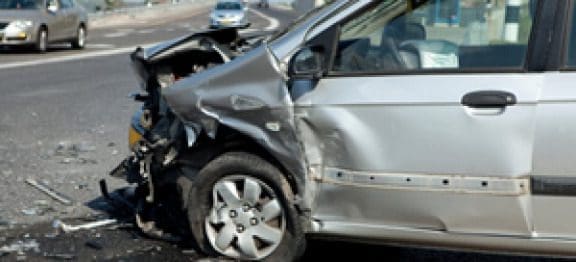
The National Highway Traffic Safety Administration[1] released a study which attempted to quantify the causes car accidents. In 94% of the 2,000,000 accidents which were studied, the primary cause of the accident lay with the driver.[2] However, the next most common primary cause of the accidents was tire related. With proper maintenance this issue is almost entirely avoidable. Tires that are worn out are likely to blow out and cause an accident. The car accidents associated with blow outs can be quite serious, as the blow out can occur suddenly and without warning.
Tire Pressure
Tire pressure is extremely important and needs to be in the car manufacturer’s recommended range. Most people will look to the tire itself to find the appropriate air pressure. This is the wrong place to find this information. The tire pressure, as listed on the tire, is the maximum air pressure allowed for the tire. The tire pressure recommended for your vehicle is listed in the owner’s manual and usually on the driver’s door pillar. The recommended tire pressure for your specific vehicle will almost always be lower than the values listed on the tires.
I know that I already have some of you thinking that there is no harm in overinflating tires, provided the tire itself is designed to handle that air pressure safely. You would be wrong. Overinflating the tires causes less of the tire’s surface to make contact with the road. This is dangerous because it decreases handling and increases stopping distances. Overinflating your tires can make otherwise avoidable car accidents unavoidable.
Underinflating your tires causes a host of problems. It causes wear and tear on the sidewall which can lead to premature catastrophic tire failure. Obviously, a blowout is likely to cause a car accident, but since this is a premature tire failure there may have been no external signs of worn tires prior to the blowout. Underinflating your tires will also cause the tire to wear about 25% faster.[3]
Lastly, tire inflation will change with the temperature and will naturally decrease over time. It is therefore important to check your tire pressure at least once per month. Do not simply look at your tires and try to guess their inflation. It is next to impossible to visually identify different air pressures until they reach a critical point. Tires can be more than 30% under or over inflated before a visual test is effective. Buy an pressure gauge and check the tire pressures monthly. This inspection should be done when the car has been parked for at least 3 hours.
Monthly Tire Inspections
At least once per month, you should inspect your tires for signs of wear. A monthly tire inspection should include:
1. You should visually inspect the outer sidewall for any bubbles or inconsistencies in the rubber;
2. You should check along the outer edge of the tire where the sidewall meets the tread for any signs of separation or failure, such as exposed radial wires;
3. You should run your hands along the inner sidewall feeling for bubbles or inconsistencies in the sidewall;
4. You should check along the inner edge of the tire where the sidewall meets the tread for any signs of separation or failure, such as exposed radial wires;
5. Visually inspect the tread and conduct the penny test on the point wear the tread appears most worn. The penny test is conducted by putting a penny, with Abe Lincoln’s head down, between the tread. If the remaining tread covers any portion of Abe’s head your tires have a safe amount of remaining tread. If not, your tires do not have enough tread to cover reach Abe’s head then they are not safe. Tires with insufficient tread are likely to blow out and cause a car accident.
Remember, when you are feeling the tires with your hands, do so slowly and cautiously as exposed radial wires can cause a nasty cut. In addition to monthly tire inspections, you should always inspect your tires before embarking on a long road trip.
Contact Jones Law Group
Have you or a loved one been injured in a car accident? Contact an experienced St. Petersburg car accident lawyer at Jones Law Group today. When you contact our office we will immediately set an appointment where you will meet your attorney and be provided with his/her personal contact information. If you do not have transportation or you cannot drive, your attorney will travel to meet you and discuss your case with you. We understand traumatic brain injuries and the issues that they can cause in your daily life and our law firm will always work to make sure you are compensated fairly.
Whether you were a pedestrian, a bicyclist, or the occupant of car, motorcycle or boat and have been injured in an accident, you should immediately call an experienced personal injury attorney in St. Petersburg at Jones Law Group at (727) 571-1333 during regular business hours or (727) 753-8657 on weekends or after regular business hours. We will evaluate your case for free and you will never pay us a dime unless we recover compensation for your injuries.
Jones Law Group
5622 Central Avenue
St. Pete, FL 33707
References:
[2] http://www-nrd.nhtsa.dot.gov/Pubs/812115.pdf
[2] http://www.tirerack.com/tires/tiretech/techpage.jsp?techid=1

Are thinking of buying or selling a residential property? Have you ever wondered what the law requires the seller to disclose as part of the sale of the home in Florida? The answer is this: If the seller knows of a construction defect or other issue that materially affects the value of the home and […]

The arrival of a teen driver in the family can be both thrilling and nerve-wracking. It marks a milestone in your child’s journey towards independence, but it also comes with the responsibility of ensuring their safety on the road. Choosing the right car for your teen is a crucial decision that can significantly impact their […]
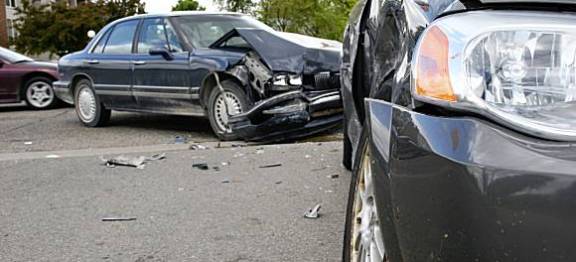
A real Florida case shows why hiding pre-existing injuries can destroy your car accident claim. Learn why honesty with your doctor and attorney is critical to your recovery.

Being in a car accident is one of the most horrible, most terrifying things that anyone can ever experience – especially if they’ve been severely injured. This can also be an extremely complex situation, one that will require the help of a skilled personal injury attorney if you’re going to have the best chance of […]

Learn how insurance companies use Colossus software to lowball personal injury claims and what a St. Petersburg car accident attorney can do to fight back for fair compensation.

Summary Car accidents are far too common on Florida roads, leading to severe injuries and fatalities. The misinformation surrounding wrecks can often make things worse by creating misconceptions and confusion. Here’s a look at some of the more common car accident myths and the truth behind these misconceptions. Jones Law Group attorneys are standing by […]
Speak with us before time runs out! In Florida, you have a limited window to file a personal injury case, so speak to an Attorney today.
Call our personal injury law office directly at (727) 512-9847

Jones Law Group is a dedicated personal injury lawyer in St. Petersburg, FL, serving the Tampa Bay area since 2006. Our experienced attorneys specialize in car accidents, slip and fall cases, employment law disputes, construction law issues, and overtime wage claims, fighting for maximum compensation on a contingency fee basis. Contact us for a free consultation to discuss your case.
Call our personal injury law office at (727) 512-9847
© Copyright 2006–2025 Jones Law Group Attorneys at Law. All rights reserved. Privacy Policy Terms of Use
Attorney Advertising.
The information on this website is for general information purposes only. Nothing on this site should be taken as legal advice for any individual case or situation. This information is not intended to create, and receipt or viewing does not constitute, an attorney-client relationship. Past results do not guarantee similar outcomes.
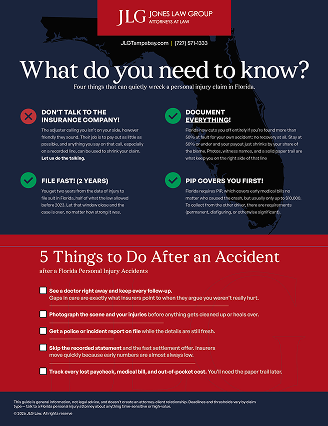
See the things you NEED TO DO after your accident. Get the 5 to-do's sent directly to your email.